5 Signs of Dry Eyes That You Shouldn’t Ignore
Medically reviewed by Dr. Brad Snead
Dry eye disease is one of the most common eye conditions affecting millions of patients each year. However, the syndrome can be more difficult to detect than you might think. While many people expect dry eyes to simply feel dry, the symptoms can be much more varied. For example, some people experience a burning sensation, while others notice excessive tearing.
Occasional dryness can be common, but you shouldn’t ignore persistent signs of dry eye. Without proper treatment, dry eye disease can become more uncomfortable over time and can affect your vision and overall eye health. Recognizing the early signs of dry eye syndrome can help you determine when it’s time to seek professional care and find lasting relief.
What Are the Signs of Dry Eye Syndrome?
Dry eye symptoms can vary from patient to patient, depending on the underlying cause and severity of the condition. Some symptoms tend to come and go. However, others can become frequent and start to interfere with your everyday activities.
Here are five of the most common signs of dry eyes that you should know.
#1 Burning, Stinging or Scratchy Eyes
One of the most common signs of dry eye syndrome is a burning, stinging or scratchy sensation. Patients often describe the feeling as gritty, as if there were sand or a foreign object trapped in the eye when there is actually nothing present.
This feeling of discomfort ranges from mild to persistent, and it may become more noticeable throughout the day. These symptoms often worsen after spending long periods of time using a computer, reading or being outdoors in windy or dry conditions.
While occasional irritation isn’t unusual, regular bouts of burning, stinging or scratchy eyes likely indicate that your eyes aren’t producing enough tears or that they are evaporating too quickly. If these symptoms continue despite using over-the-counter eye drops, you should schedule an evaluation with an eye doctor.
#2 Red or Irritated Eyes
Dry eyes often cause irritation that can leave the eyes looking red or bloodshot. The surface of the eye becomes more susceptible to inflammation and discomfort when it isn’t properly lubricated. In some cases, the irritation may be mild. For others, it can become an ongoing issue that affects comfort throughout the day.
Along with redness from dry eye, you might also experience itching, light sensitivity or a general feeling of irritation that doesn’t improve after sleeping. It’s important to have persistent symptoms evaluated because red eyes can also be caused by allergies, infections or other eye conditions. Identifying the underlying cause is the first step toward finding the most effective treatment and long-term relief.
#3 Blurred Vision That Comes and Goes
A healthy tear film helps keep your vision clear by creating a smooth surface over the eye. But that surface becomes uneven when tears evaporate too quickly or aren’t produced in sufficient amounts. This process can cause vision to appear blurry or fluctuate throughout the day.
Many patients report that their vision briefly improves after blinking before becoming blurry again a few moments later. This temporary improvement is a common sign that the tear film isn’t providing consistent lubrication.
There are many causes of occasional blurry vision. But recurring episodes paired with other signs of dry eye syndrome may indicate that dry eye is affecting the quality of your eyesight.
#4 Watery Eyes
This sign of dry eye syndrome may sound counterintuitive. However, excessive tearing can actually be the body’s response to dry eyes, as it produces an overflow of tears in an attempt to compensate for the lack of moisture. This response may seem helpful, but these tears don’t provide the lasting lubrication your eyes need. Plus, the excess tears themselves may cause some discomfort.
Your eyes may continue to feel dry, irritated or uncomfortable as a result. Many patients often overlook dry eye syndrome as the cause in this case because they associate watery eyes with allergies or irritation. Thankfully, your eye doctor can help determine whether excessive tearing is actually a sign that your eyes need additional support.
#5 Eye Fatigue During Everyday Activities
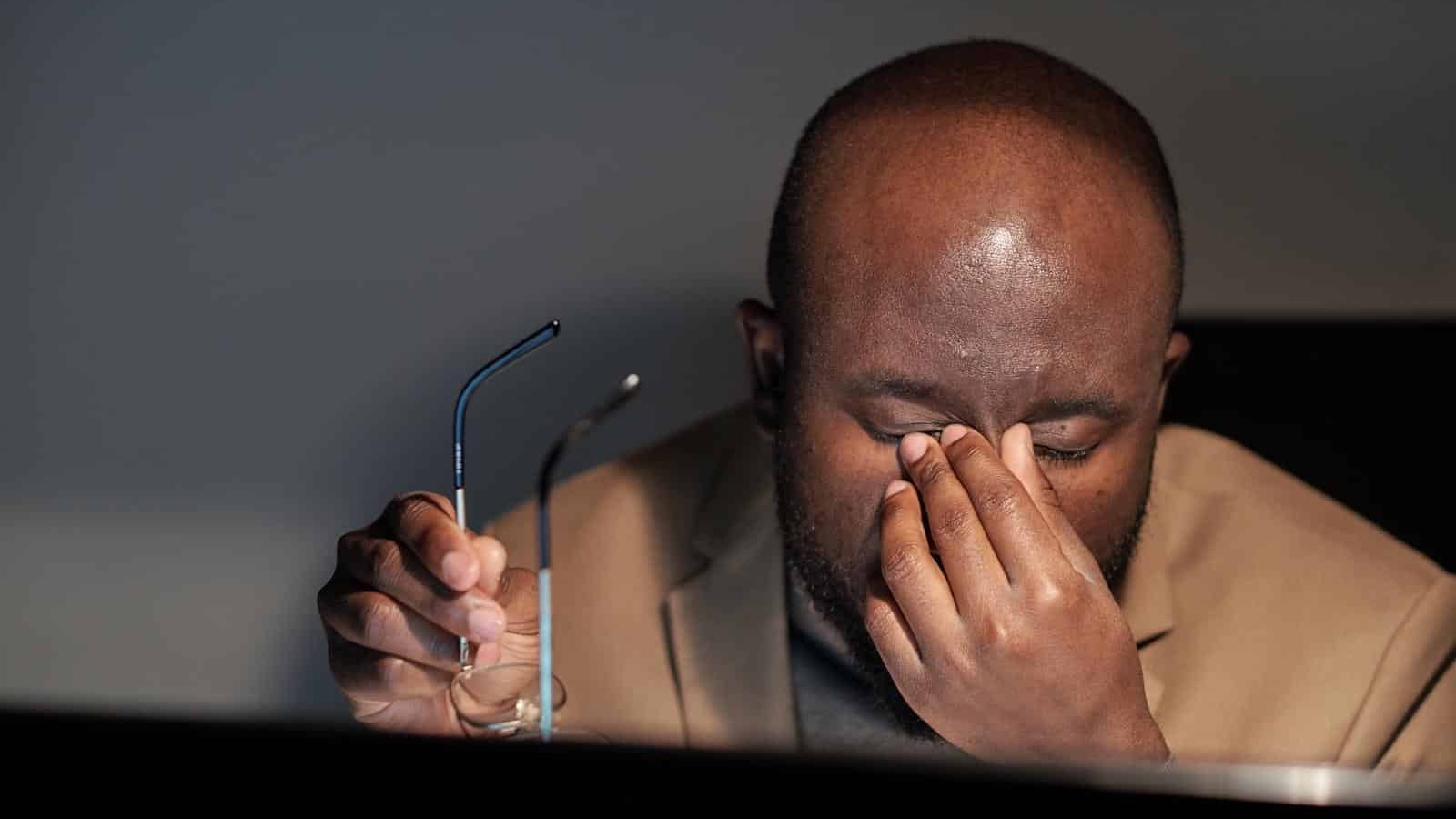
Dry eyes make routine activities more uncomfortable than normal. Activities such as reading, driving, watching TV and using digital devices reduce the frequency with which you blink. Thus, your tears evaporate more quickly. The lack of tears leads to your eyes feeling more tired, strained or increasingly uncomfortable, especially later in the day.
Some people also find themselves needing to take frequent breaks away from the screen. Additionally, they may need to blink repeatedly to regain clear, comfortable vision. If eye fatigue has become a regular part of your life, dry eye disease could be the culprit. Identifying and treating the underlying cause can help improve comfort and sight so you can go back to enjoying these activities with ease.
When Should You See an Eye Doctor for Dry Eyes
Occasional dry eyes can happen to anyone, especially after spending long hours in front of a screen or being outside in the hot Southwest Florida weather. However, it’s worth the time to schedule an eye exam if you’re experiencing any of the persistent signs of dry eye syndrome mentioned above, especially if they worsen over time or interfere with daily activities.
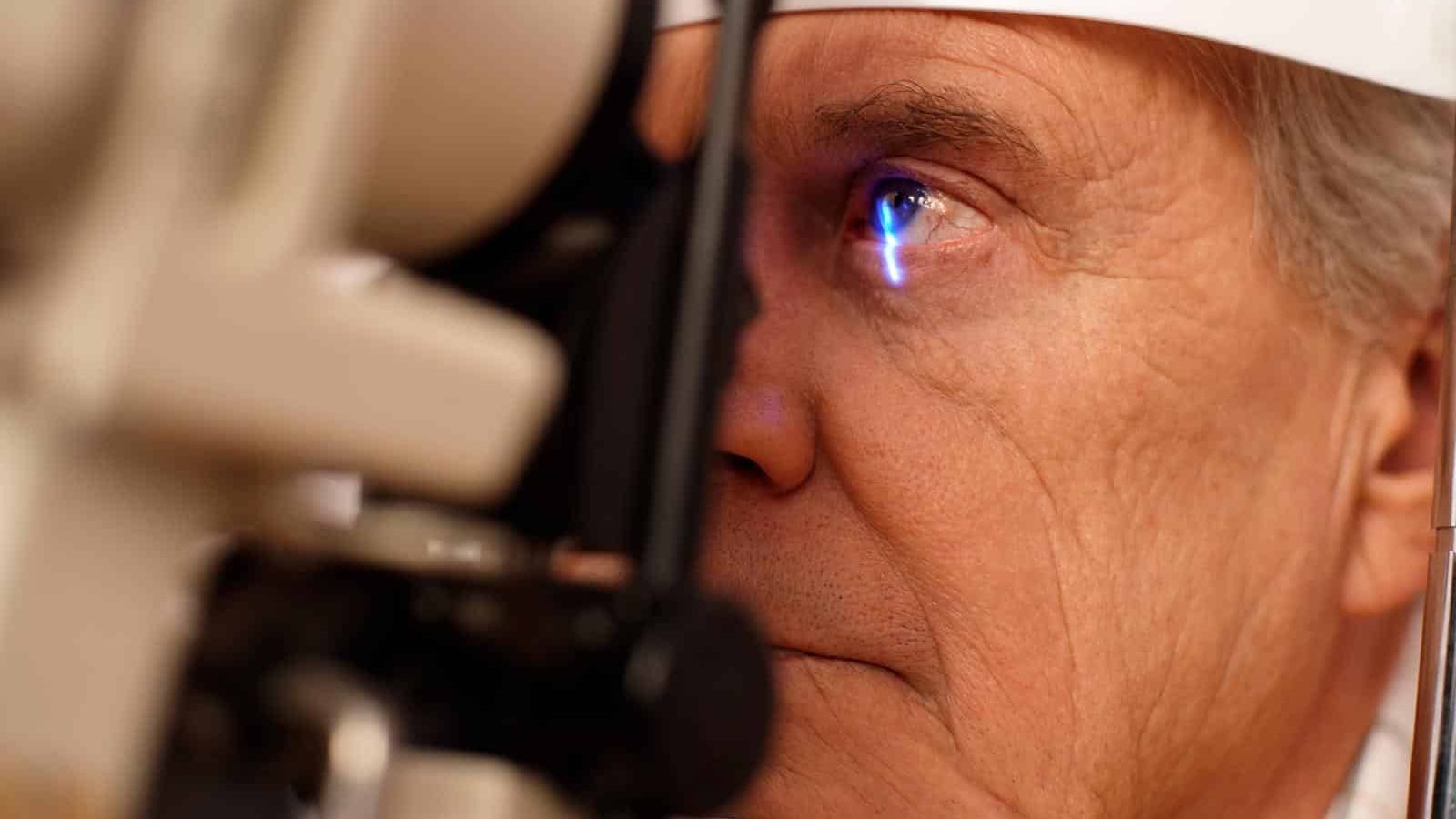
An eye doctor can determine whether your symptoms are caused by dry eye disease, allergies or another underlying condition. During a comprehensive evaluation, your doctor will assess your tear production, examine the surface of your eyes and identify the factors contributing to your symptoms. Then, they’ll recommend a personalized treatment plan to help improve comfort and protect your long-term eye health.