Eye Exams in Fort Myers, Naples, Cape Coral & Bonita Springs
Just as it’s important to visit your medical doctor for a yearly check-up, it’s equally essential to visit your eye doctor for an annual eye exam.
At Snead Eye Group, a comprehensive exam usually takes about an hour. We start with OPD Wavefront measurements, check your prescription, look at the health of your eyes and dilate when we need a clear view of the retina and macula. Bring your current glasses or contacts, a list of medications, and sunglasses, if we dilate.
Offices are in Fort Myers, Cape Coral, Bonita Springs, and Naples.
What Happens During a Comprehensive Eye Exam at Snead Eye Group?
(Click to View)What Should I Expect During an Eye Examination?
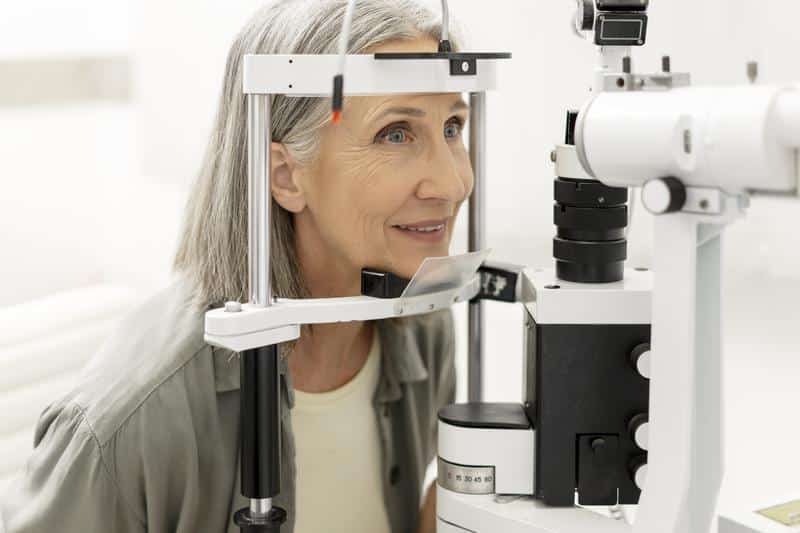
During an eye exam, your doctor will evaluate your vision, check your eye health and perform tests to detect potential vision problems or eye conditions.
Your eye exam at Snead Eye Group will typically begin with an OPD test. The OPD Wavefront system uses the most advanced digital technology to evaluate your unique vision needs. Should you require cataract surgery, OPD technology will assist you and your surgeon when choosing the best lens implant.
The next step is a series of vision tests with one of our technicians. These tests may include a refraction test, which is used to determine the amount of corrective lens power needed to obtain your best vision.
The final part of your eye exam may include dilating your eyes so the doctor can see into the back of your eye to check the retina, macula and other internal structures.
How Should I Prepare for an Eye Exam?
(Click to View)How Should I Prepare for an Eye Exam?
Bring your current eyeglasses or contact lenses, a copy of your prescriptions and a pair of sunglasses in case your eyes need to be dilated. Your doctor will also want to review your medical and vision history, including any recent health issues and medications you’re taking.
Other eye exam preparation procedures will vary depending on which type of eye specialist you are visiting. An optician only fills prescriptions for eyeglasses and sells contact lenses. An optician doesn’t offer eye health exams. An optometrist offers complete eye evaluations, prescribes corrective lenses, and diagnoses and treats various eye diseases. If you have a more complex eye disease, you may need to visit an ophthalmologist for specialized treatment or eye surgery.
The length of your visit may vary according to how many tests you need, but most eye exam appointments require at least an hour.
How Often Should I Get an Eye Exam?
(Click to View)How Often Should I Get an Eye Exam?
Healthy adults without vision problems should have a comprehensive eye exam every 1 to 2 years, depending on their age and eye health. It’s vital to schedule an eye exam around age 40, as that’s when vision changes become common. Adults, age 60+ with glasses/contacts, diabetes, family history of glaucoma or macular degeneration usually yearly. Children, before kindergarten, sooner if alignment or vision problems appear.
Regular eye exams help detect early changes in vision and eye health, even before symptoms are noticeable.
The American Academy of Ophthalmology recommends that children have their eyes examined before entering kindergarten. If you notice anything amiss in their eye development before that (lazy eye, cross-eyes, misaligned eyes, etc.), you can take them to an eye specialist sooner.
Your eye doctor will determine the appropriate eye exam schedule for your needs.
Snead Eye Group – Eye Exams in Fort Myers, Naples, Cape Coral & Bonita Springs
Eye Exam Frequently Asked Questions (FAQs)
How Often Should You Get an Eye Exam?
Most adults should have an eye exam every 1 to 2 years to monitor vision changes and screen for eye diseases, such as cataracts, glaucoma and macular degeneration.
Patients with conditions like diabetes or other risk factors may need more frequent eye exams.
What Is a Comprehensive Eye Exam?
A comprehensive eye exam includes a visual acuity test, refraction for glasses, eye pressure measurement and a detailed evaluation of the internal and external structures of the eye to ensure overall health.
Do I Need an Eye Exam if My Vision Seems Fine?
Yes. Many eye diseases, such as glaucoma, often have no early symptoms. Your eye doctor can detect these issues during a routine eye exam before they cause permanent vision loss.
How Long Does an Eye Exam Take?
Most comprehensive eye exam appointments take about one hour to complete, depending on the tests needed and whether dilation is required. Patients with more complex vision needs or who require additional testing may require a longer visit.
How Does Snead Eye Group Use Technology to Evaluate My Vision?
We utilize the OPD Wavefront system, an advanced digital technology that evaluates your unique vision needs at the start of your exam. This technology is essential for routine visits and is also used to help patients and surgeons select the best lens implants for cataract surgery.
Will My Eyes Be Dilated During My Eye Exam?
Eye dilation is commonly performed during comprehensive eye exams, but it may not be needed for every patient. If dilation is recommended, it allows your doctor to see the back of the eye and evaluate the health of the retina, macula and other internal structures.
When dilation is needed, it is typically done toward the end of the exam as part of a thorough evaluation.
How Long Do Eyes Stay Dilated After an Eye Exam?
Eye dilation effects typically last 4 to 6 hours after an eye exam. However, it may last longer in some cases, depending on the type of drops used and how each patient responds. During this time, vision may be blurry and sensitivity to light may increase.
What Types of Tests Are Performed During a Routine Eye Exam?
A comprehensive evaluation includes several specialized procedures: a Visual Acuity Test to measure clarity, an Eye Muscle Test to check coordination and a Refraction Assessment to determine your prescription.
Additional testing may include Visual Field Testing to assess your peripheral vision and Color Vision Tests to screen for deficiencies that could indicate underlying optic nerve issues.
Why Does My Eye Doctor Perform a Visual Field and Color Vision Test?
These tests go beyond simple vision correction. A visual field test helps detect issues with peripheral vision, which is a key indicator for conditions like glaucoma. Color vision tests can identify red-green or blue-yellow deficiencies, the latter of which may be an early sign of optic nerve disease or glaucoma.
Expertly Equipped

Our $1 million imaging system provides detection clarity, ensuring vision problems are identified and treated at the earliest stages.
Perfectly Precise

With the expertise of our eye doctors, we provide accurate, targeted treatment to preserve and enhance your vision.
Clearly Caring

It’s our mission to offer compassionate, personalized care. Your eye health is at the heart of everything we do.